Hot Water Systems Sized Correctly
Water Heater Installation & Replacement in Birmingham for aging tanks, insufficient capacity, and leaking units beyond economical repair
A water heater that's leaked onto your floor, stopped producing enough hot water for your household, or required three repairs in the past year has reached the point where replacement costs less than continued maintenance of a failing system. Budget Rooter & Plumbing installs traditional tank water heaters sized to meet actual hot water demand, whether that's a family running multiple showers each morning or a commercial kitchen that needs consistent hot water through lunch and dinner service. Proper sizing prevents both the frustration of running out of hot water mid-shower and the waste of heating more water than you'll ever use, which drives up energy costs every month.
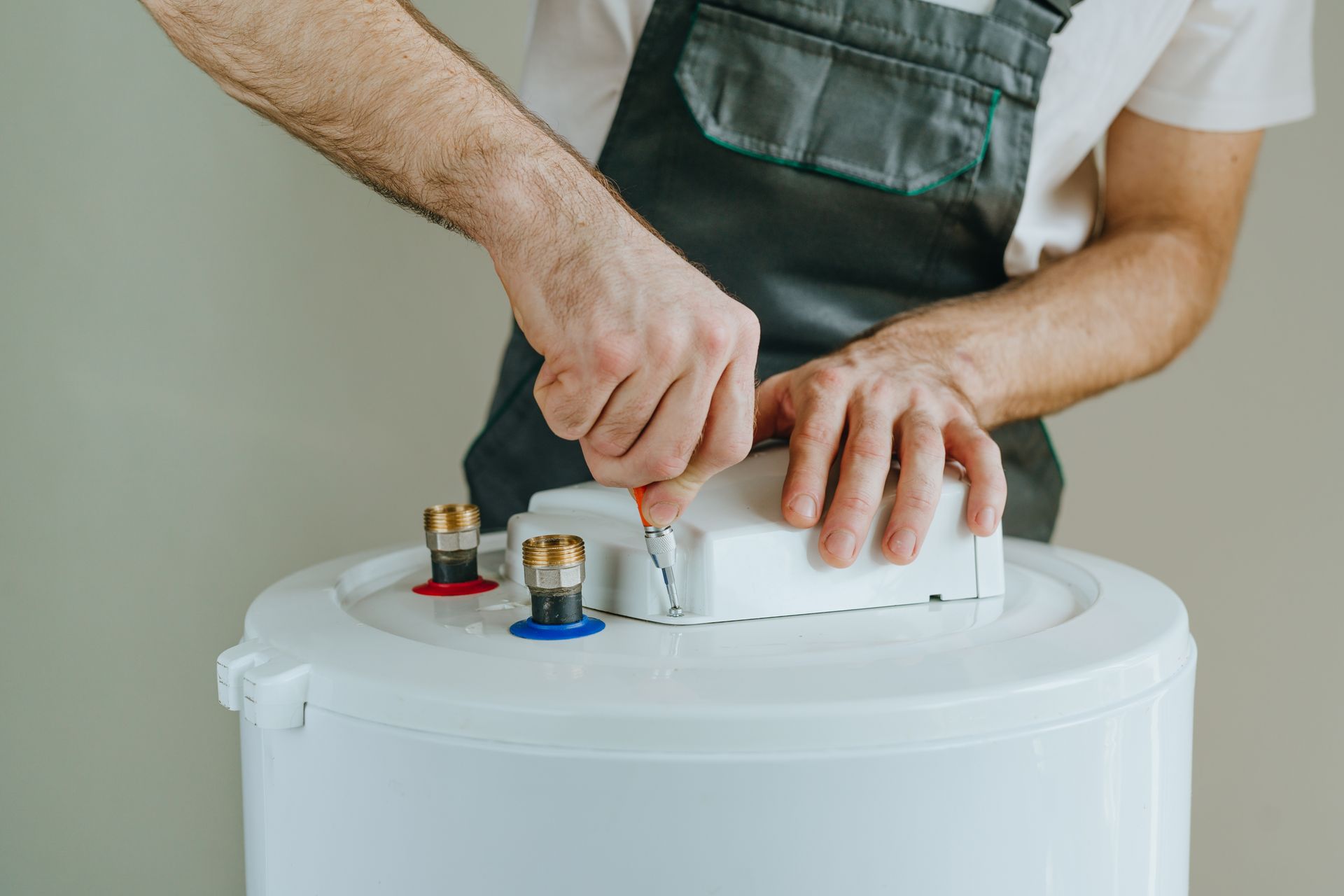
Installation begins with calculating hot water requirements based on occupancy, fixture count, and usage patterns, then matching that demand to tank capacity and recovery rate. A forty-gallon heater recovers quickly enough for two people but leaves a family of five fighting for hot water, while an oversized seventy-five-gallon tank wastes energy keeping water hot that sits unused. The process includes removing the old unit, installing the new heater with code-compliant connections for water, gas or electric supply, temperature and pressure relief valve, and proper venting for gas models. Birmingham's hard water conditions make installing a sediment trap worthwhile to extend tank life by reducing mineral accumulation that accelerates corrosion.
Request a water heater replacement estimate to discuss capacity requirements and installation timeline.
What Changes After Proper Installation
A correctly sized and installed water heater delivers consistent hot water temperature without the fluctuations that occur when an undersized unit struggles to keep up with demand. You'll notice hot water lasts through back-to-back showers, dishwashers and washing machines complete full cycles without temperature drops, and recovery time between heavy usage periods shortens compared to what an aging heater provided. Energy efficiency improves with newer tank insulation and burner designs that extract more heat from each unit of fuel, which shows up as lower utility costs for the same hot water consumption.
The installation includes setting the thermostat to a safe temperature that prevents scalding while providing adequate heat for cleaning and bathing, securing all connections to prevent leaks, and testing the temperature and pressure relief valve that protects against dangerous pressure buildup. Code-compliant installation ensures proper clearances around the unit for ventilation and service access, secure mounting that prevents movement during operation, and appropriate drain pan placement under the tank to contain minor leaks before they damage flooring. Gas water heaters receive proper venting that exhausts combustion gases outside rather than allowing carbon monoxide accumulation.
Replacement makes sense when your existing heater has reached twelve to fifteen years of service, shows rust in the tank or around connections indicating corrosion, requires frequent repairs for heating elements or gas valves, or no longer meets your household's hot water needs. Energy costs for heating water represent a significant portion of utility bills, so upgrading to a more efficient model during necessary replacement often pays back the efficiency premium through lower operating costs over the new unit's service life.
Questions Before Starting Your Project
Homeowners and business operators considering water heater replacement typically ask about sizing, installation requirements, and how to evaluate whether repair or replacement makes better economic sense.
How do you determine the right water heater size?
Sizing considers the number of bathrooms, occupants, and simultaneous hot water demands like morning showers overlapping with dishwasher or washing machine use. A household of four typically requires a fifty-gallon tank, while larger families or homes with multiple bathrooms benefit from sixty to seventy-five gallon capacity. Commercial applications require calculating peak demand based on business type and customer volume.
What makes replacement a better choice than repairing an old water heater?
When repair costs approach half the price of replacement, especially on units older than ten years, replacement provides better value by delivering years of reliable service instead of maintaining a system likely to fail again soon. Multiple component failures indicate overall deterioration that makes additional repairs a poor investment.
How long does water heater installation take?
Standard residential installation typically completes in two to four hours, including removing the old unit, positioning and connecting the new heater, filling the tank, and verifying proper operation. Jobs requiring modifications to gas lines, electrical circuits, or venting systems take longer depending on the scope of changes needed to meet current codes.
Will a new water heater reduce energy costs?
Modern water heaters feature better insulation that reduces standby heat loss and more efficient burners or heating elements that transfer more energy to the water. Efficiency improvements typically reduce water heating costs by ten to twenty percent compared to units manufactured fifteen years ago, with exact savings depending on fuel type and usage patterns.
What installation factors affect cost beyond the water heater itself?
Modifications required to meet current building codes, such as upgraded venting for gas heaters, expanded drain pans, or seismic strapping in required areas, add to basic installation cost. Converting from one fuel type to another requires additional work like running gas lines or upgrading electrical service. Difficult access locations that complicate removal and installation may also affect labor requirements.
Budget Rooter & Plumbing installs water heaters in Birmingham homes and commercial buildings with attention to proper sizing and code compliance that ensures safe, efficient operation. Arrange an estimate consultation to discuss your hot water needs and replacement options appropriate for your property.