
Drains That Actually Move Water
Drain Cleaning in Birmingham for slow drains, recurring clogs, and backups affecting sinks, tubs, and floor drains
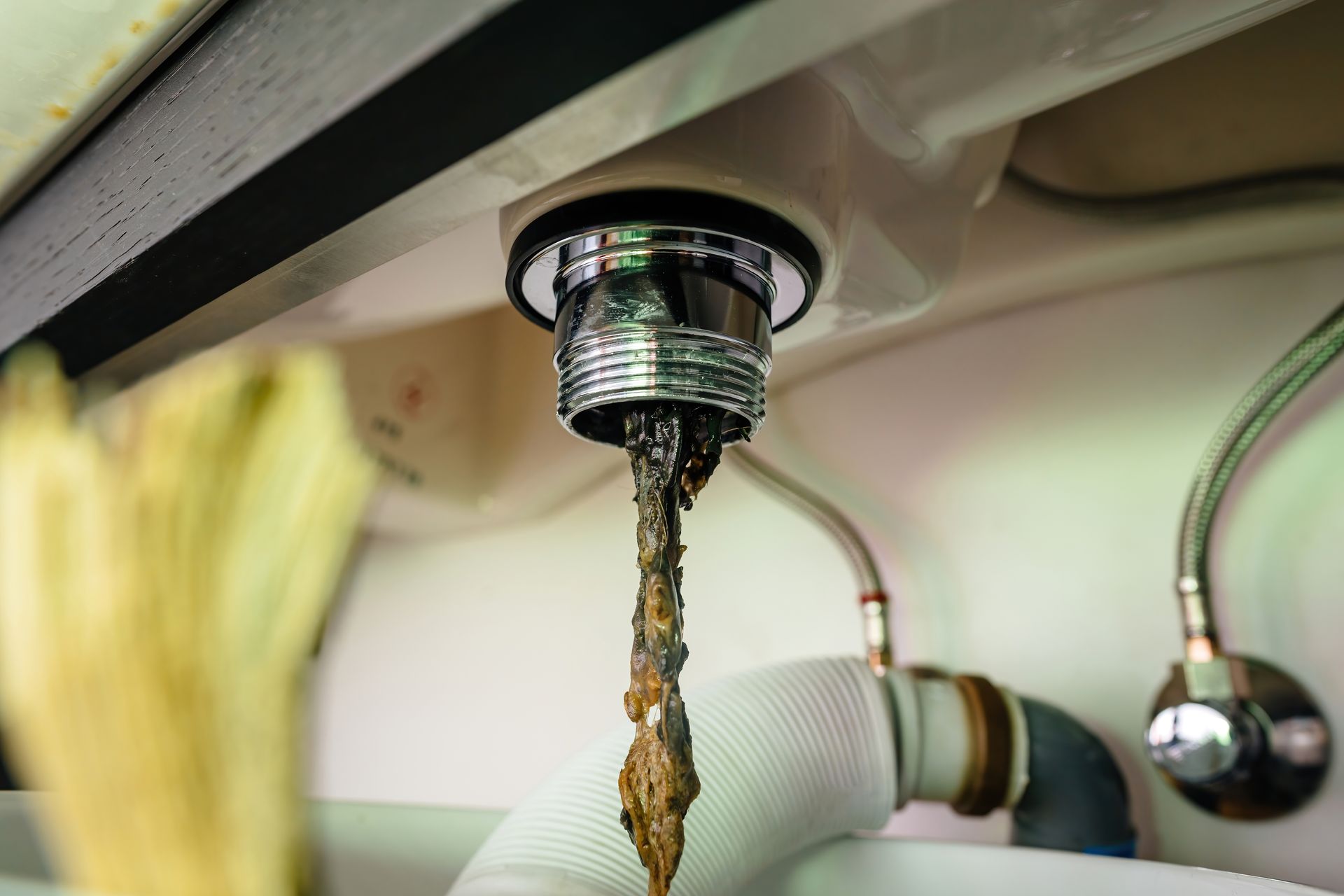
Kitchen sinks that drain slower each week and shower water that pools around your ankles signal buildup inside drain lines that narrows the pipe opening and restricts flow. Budget Rooter & Plumbing clears grease accumulation, soap scum, hair masses, and food debris from drains throughout Birmingham properties, restoring the flow rate that lets water disappear immediately rather than backing up during use. A drain that empties slowly today will stop draining completely within weeks as the remaining opening continues narrowing with each use.
Professional drain cleaning removes blockages using methods matched to the clog type and drain line material, from cable augers that cut through packed debris to hydro jetting that scours pipe walls clean. Chemical drain openers sold in stores rarely dissolve the entire clog and can damage older pipe materials, turning a simple blockage into a corroded pipe that leaks behind your walls. Proper cleaning restores full pipe diameter so water carries waste away at the speed the system was designed to handle.
Schedule drain cleaning service to clear blockages before wastewater backs up into your home or business.
What Happens After Drain Lines Are Cleared
The cleaning process involves feeding a cable or jetting hose through the drain line to the blockage location, then breaking apart or flushing out the material causing restriction. For grease buildup common in kitchen drains, high-pressure water jetting liquefies the accumulation and flushes it into the main sewer line. Hair clogs in bathroom drains require mechanical cutting with a cable auger that spins a cutting head through the tangled mass, fragmenting it into pieces small enough to flush away.
Once cleared, your drains empty immediately when you pull the plug or flush the fixture, and water flowing from faucets no longer causes rising water levels in sinks or tubs. Foul odors that developed from decomposing organic matter trapped in the pipe dissipate as ventilation improves through the now-open line. The service addresses both isolated clogs in single fixtures and main line blockages that affect multiple drains throughout a building, with equipment sized appropriately for residential branch lines or larger commercial drain systems.
Recurring clogs in the same drain often indicate an underlying problem beyond simple debris accumulation, such as a bellied section of pipe where material collects, tree roots infiltrating the line through joints, or improper drain slope that prevents waste from flowing completely out. Camera inspection reveals these structural issues when cleaning provides only temporary relief.
Answers to Frequent Service Questions
Property owners dealing with slow or clogged drains typically want to know what's causing the blockage, how long cleaning takes, and how to prevent the problem from returning immediately.
What causes drains to clog repeatedly in the same location?
Kitchen drains clog from grease poured down the sink that solidifies as it cools inside pipes, while bathroom drains collect hair combined with soap residue that forms a sticky mass. Floor drains accumulate dirt, lint, and debris washed off surfaces. If the same drain clogs within weeks of cleaning, it signals a structural problem like a sagging pipe section or root intrusion that traps material.
How does professional drain cleaning differ from store-bought chemicals?
Cable machines and hydro-jetters physically remove the entire blockage rather than attempting to dissolve it, which works for clogs that chemicals can't affect like hair, grease, or foreign objects. Birmingham's older neighborhoods contain cast iron drain lines that chemical cleaners can corrode, eventually leading to pipe failure and expensive replacement.
Will cleaning damage old pipes or cause leaks?
Modern cleaning equipment operates at controlled pressure and rotation speed appropriate for the pipe material and condition—technicians adjust settings based on whether they're working with PVC, cast iron, or clay drain lines. Pipes already weakened by decades of corrosion may reveal existing damage during cleaning, but the process itself doesn't create problems that weren't already developing.
How long does drain cleaning service take?
Single fixture clogs typically clear in thirty to forty-five minutes, while main line blockages that affect multiple drains require one to two hours depending on the clog's location and composition. Access challenges like removing a toilet to reach the drain or working through a floor cleanout add time to the service.
What keeps drains flowing after they're cleaned?
Avoiding grease disposal in kitchen sinks, using drain screens to catch hair in bathrooms, and periodically flushing drains with hot water helps prevent buildup from starting. Commercial kitchens benefit from scheduled preventive cleaning before grease accumulation restricts flow enough to cause backups during peak business hours.
Budget Rooter & Plumbing responds to drain problems in both residential and commercial buildings with equipment that clears blockages efficiently while identifying issues that cause recurring clogs. Arrange professional drain cleaning to restore proper flow and reduce the chance of emergency backups.