Drainage That Keeps Kitchens Operating Smoothly
Grease Trap Cleaning in Birmingham for restaurants and commercial kitchens facing backups and slow drainage
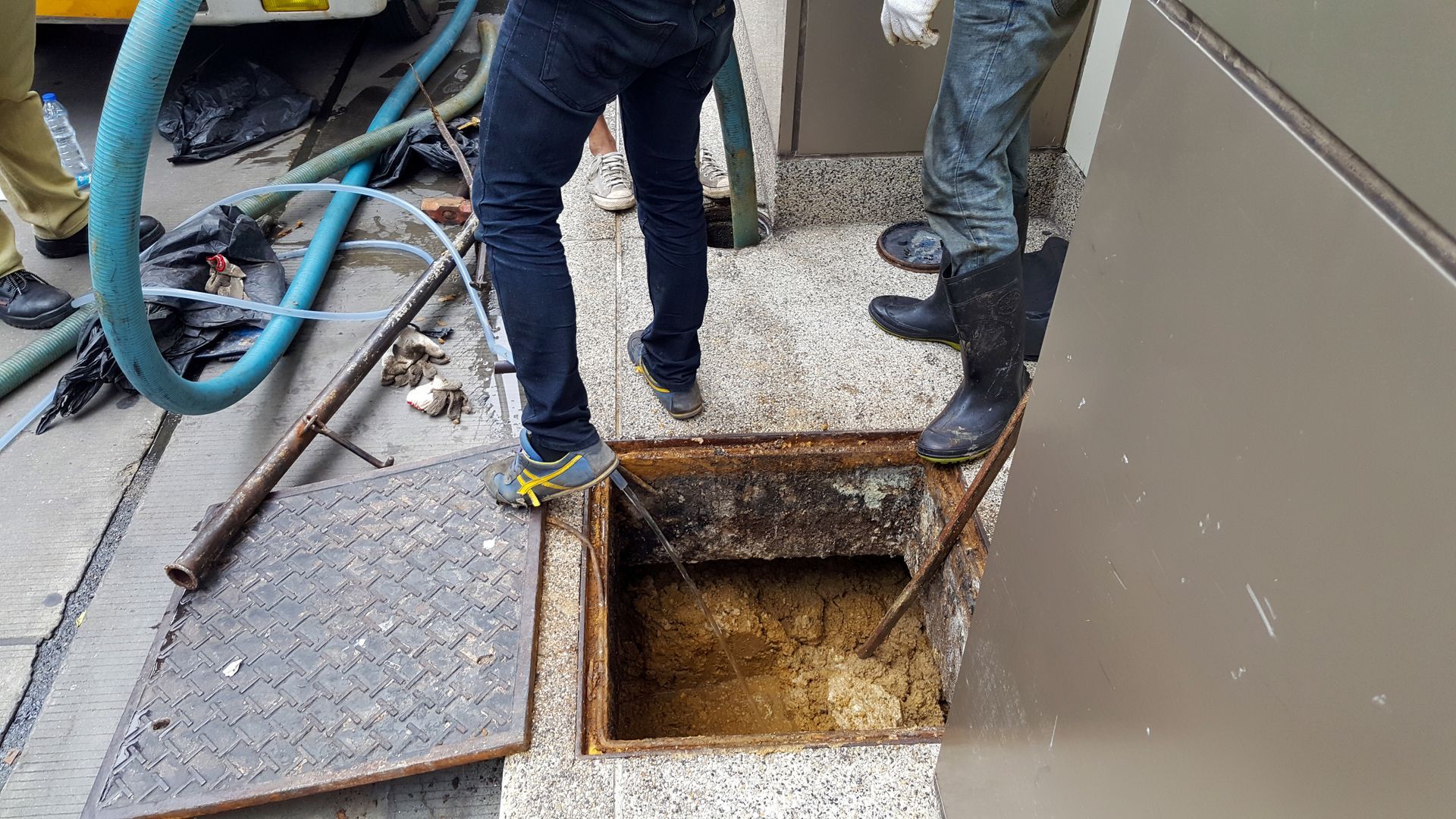
Grease traps fill with solidified fats, oils, and food particles that block wastewater flow and create backups in commercial kitchen drain lines. Budget Rooter & Plumbing removes accumulated grease, sludge, and food waste from grease traps serving restaurants and food service operations throughout Birmingham. Without regular cleaning, traps overflow into floor drains, send sewage odors through dining areas, and cause complete drainage failures that shut down kitchen operations during peak service hours.
The cleaning process involves pumping out all contents from the trap, scraping residue from baffles and sidewalls, flushing the unit to remove remaining buildup, and verifying that inlet and outlet flow freely before the system returns to service. Scheduled maintenance prevents the hardened grease layers that reduce trap capacity and the complete blockages that require emergency service when kitchens cannot drain.
Set up a maintenance schedule tailored to your kitchen's volume and grease production to avoid unexpected drainage interruptions.
Why Routine Grease Trap Service Matters
Commercial kitchens produce fats, oils, and grease at rates that overwhelm standard plumbing if not intercepted by properly maintained grease traps. The trap separates lighter grease from wastewater, allowing only liquid to flow into municipal sewer lines while retaining fats that solidify as they cool. Once the trap reaches capacity, grease begins flowing downstream into building drains where it hardens, narrows pipe diameter, and eventually creates blockages that back up into sinks, floor drains, and dishwashing stations.
After cleaning, sinks drain quickly without standing water, floor drains accept wastewater immediately during dishwashing and cleanup, and no grease odor develops in kitchen or dining areas. The trap operates at full capacity again, giving your kitchen the drainage performance needed to handle high-volume service without slowdowns or backups that interrupt operations.
Cleaning frequency depends on kitchen volume—high-volume operations with deep fryers typically need service every two to four weeks, while lower-volume establishments may extend intervals to monthly or quarterly. Consistent maintenance costs less than emergency cleanings and prevents the health code violations that occur when grease traps overflow or municipal sewer lines become blocked with grease originating from your establishment.
Common Questions About Grease Trap Maintenance
Food service operators managing drainage systems often need clarity on maintenance intervals, warning signs, and the practical details of keeping grease traps functional without disrupting kitchen schedules.
How often should a restaurant grease trap be cleaned?
Cleaning frequency depends on trap size and kitchen grease production, but most Birmingham restaurants with fryers and high-volume cooking require service every two to four weeks to prevent capacity problems and maintain proper drainage function.
What indicates a grease trap needs immediate cleaning?
Slow drainage at multiple sinks, standing water in floor drains, sewage odors coming from drain openings, and water backing up during peak dishwashing periods all signal that the trap has reached capacity and requires pumping before complete blockage occurs.
What happens if a grease trap is not cleaned regularly?
Accumulated grease reduces trap capacity until solidified fats overflow into building drain lines, where they harden and create blockages that back up wastewater into kitchen work areas and potentially violate health codes during inspections.
Can grease trap cleaning be scheduled outside business hours?
Service can be arranged before opening or after closing to avoid disrupting kitchen operations, with most cleanings completed in under an hour once access to the trap is provided.
What documentation does grease trap service provide?
Professional cleaning includes disposal records showing that waste was handled according to local regulations, which health inspectors and municipal authorities may request to verify compliance with grease management requirements.
Budget Rooter & Plumbing establishes cleaning schedules that match your kitchen's needs, preventing the drainage failures and odor problems that disrupt food service operations. Contact the team to arrange routine grease trap maintenance that keeps your commercial kitchen draining properly without emergency interruptions.