
Fixtures That Flush Properly Every Time
Toilet Repair & Installation in Birmingham for running water, weak flushing, leaks at the base, and damaged components
Constantly running water, incomplete flushing that requires multiple attempts, leaks pooling around the toilet base, and loose or cracked tanks all indicate component failures that waste water and prevent reliable operation. Budget Rooter & Plumbing repairs worn flappers that allow water to flow continuously into the bowl, faulty fill valves that run indefinitely, wax ring failures that let sewer gas and water seep onto bathroom floors, and damaged flush mechanisms that prevent proper bowl clearing. When toilets have reached the end of their service life or efficiency improvements justify replacement, complete installation of new fixtures provides better water use and dependable long-term performance.
Repairs address specific component failures without replacing functional toilets—installing new fill valves stops running water, replacing flappers restores proper tank sealing, resetting toilets with new wax rings eliminates base leaks, and adjusting flush mechanisms improves bowl clearing. Replacement makes sense when porcelain has cracked, when older toilets use excessive water per flush compared to current efficiency standards, or when repeated repairs have become more costly than installing a new fixture.
Request a service appointment to diagnose your toilet problem and determine whether repair or replacement provides the best solution.
How Toilet Service Restores Normal Function
Most toilet problems originate with internal tank components that wear out from constant water exposure and mechanical cycling—rubber flappers harden and lose their seal, fill valve diaphragms deteriorate and cause continuous running, and flush valve assemblies crack or misalign. Replacing these parts restores the sealed tank operation that allows proper flushing while stopping the water waste that increases utility costs. Repairs typically complete within an hour and immediately eliminate running water or weak flushing.
After repair or installation, toilets flush completely on the first attempt, no water sound continues after the tank refills, and no dampness or odor develops around the base where the fixture meets the floor. New installations also reduce water consumption—modern toilets use 1.28 to 1.6 gallons per flush compared to the 3.5 to 7 gallons used by fixtures installed before 1994, cutting water bills while maintaining effective waste removal.
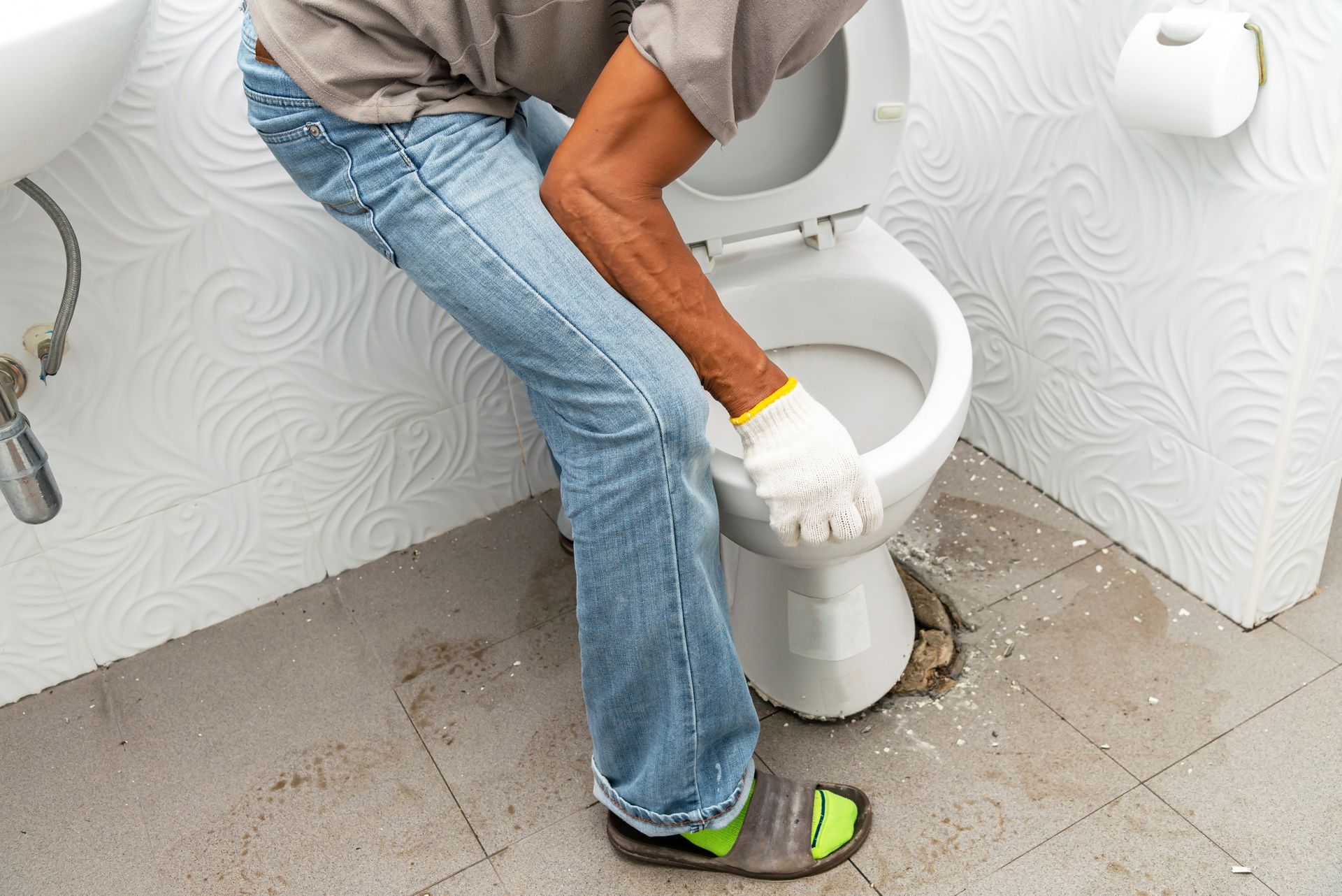
Installation work includes removing the old toilet, inspecting and repairing the flange if damaged, setting the new fixture with a proper wax ring seal, connecting the water supply line, and testing for leaks and proper flush performance. The process applies to both residential bathrooms and commercial restroom facilities where fixture reliability affects daily operations.
Answers to Frequent Toilet Service Questions
Toilet problems range from minor annoyances to significant water waste, and understanding what different symptoms indicate helps property owners know when to request service and what type of work will resolve the issue.
What causes a toilet to run continuously?
Worn flapper seals that no longer close completely, faulty fill valves that fail to shut off water flow, and improperly adjusted float mechanisms all cause toilets to run constantly, wasting water and creating noise as the tank attempts to maintain level.
Why does water leak around the toilet base?
Failed wax rings that no longer seal between the toilet outlet and the floor flange allow water and sewer gas to escape during flushing, while loose mounting bolts permit the toilet to rock and break the wax seal over time.
When should I replace a toilet instead of repairing it?
Replacement makes sense when porcelain has cracked, when the toilet uses more than two gallons per flush and increasing water costs justify an efficiency upgrade, or when multiple components have failed and repair costs approach the price of a new fixture.
How do modern toilets improve water efficiency?
Current models use pressurized flush technology or optimized bowl design to clear waste effectively with 1.28 to 1.6 gallons per flush, reducing water consumption by more than half compared to toilets manufactured before federal efficiency standards took effect in 1994.
What causes weak flushing that requires multiple attempts?
Clogged rim jets that reduce water flow into the bowl, partially blocked trap passages, low water level in the tank, and worn flush valve flappers that close too quickly all contribute to incomplete flushing that fails to clear the bowl effectively.
Budget Rooter & Plumbing diagnoses toilet problems accurately and provides repairs or replacements that restore reliable performance while reducing water waste. Arrange service to fix your running, leaking, or poorly flushing toilet and restore normal bathroom function.